History

1932 OG

The Rye That Outran Prohibition

In the early 1930s, during Prohibition and the Depression, Lorine Sextro ran a small-batch white-rye operation from her Carroll County, Iowa farm to keep the family afloat. A nighttime cook worked in secret; 15-gallon “baker’s” runs were favored (because you can’t “run with a 40-gallon barrel”), and field-hidden stills helped them avoid the law. Local lore recalls a near-raid at a neighbor’s house due to a mistaken address, rumors of buried barrels after other bootleggers were busted, and distribution lines reaching Chicago—where Templeton-area whiskey was said to be a Capone favorite. 

Today, 1932 OG keeps that recipe and method alive: tiny cooks, quarter-cask (15-gal) aging, single-barrel bottling, and a hands-on approach rooted in Carroll County grain and story—now stewarded by grandson Heath Schneider alongside “Whiskey Rich.”

Meet Grandma Lorine

OVER 100 YEARS OF HISTORY

1911

Vintage 1930s portrait of Frank and Lorine Sextro, original creators of 1932 OG rye whiskey recipe in Templeton, Iowa during Prohibition

1920

1911

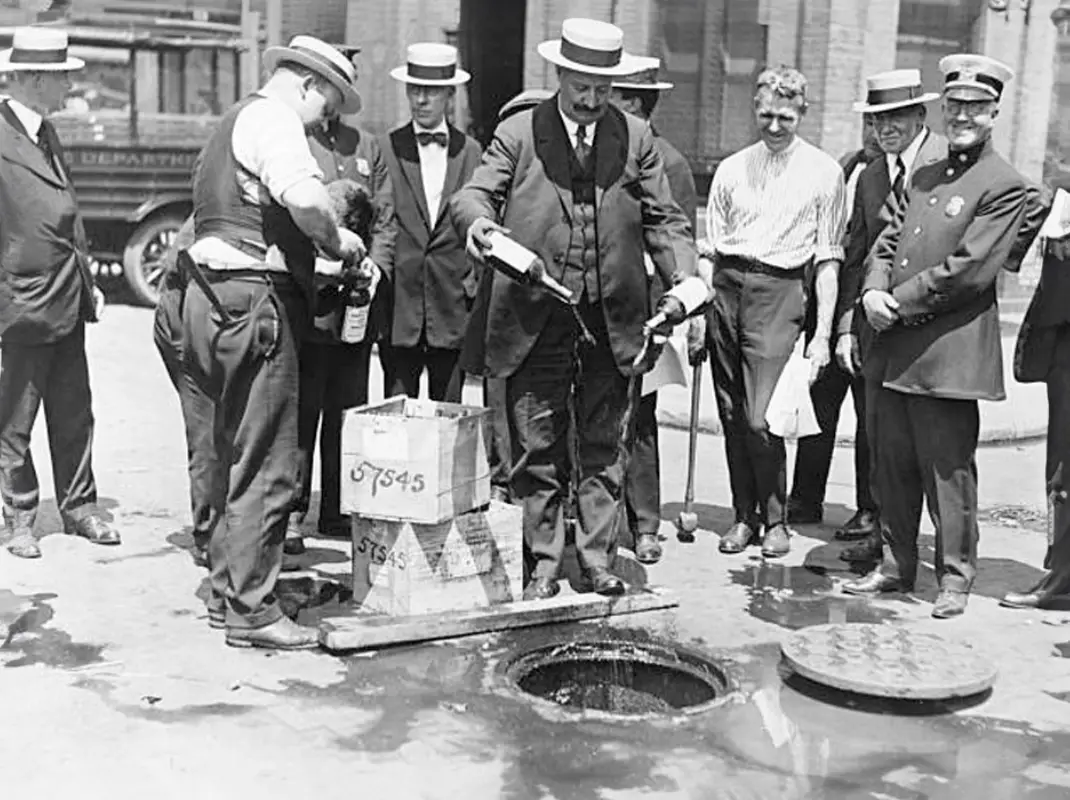
Federal agents pouring illegal alcohol into sewer drains during Prohibition enforcement in 1920, the era when 1932 OG's secret rye whiskey recipe was created in Iowa

1932

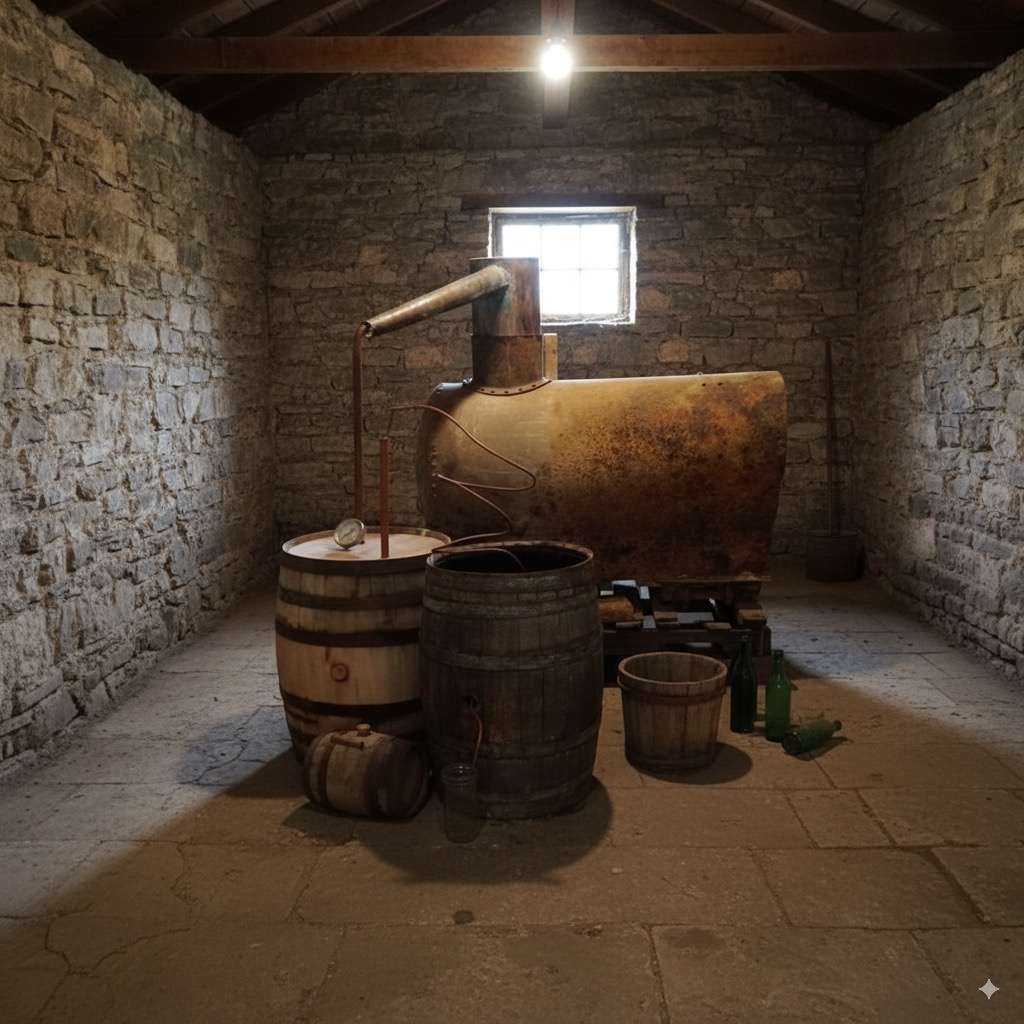
Historical recreation of 1932 Prohibition-era rye whiskey distilling in Iowa barn, featuring copper pot still and traditional wood-fired production methods used by 1932 OG

1933

1932

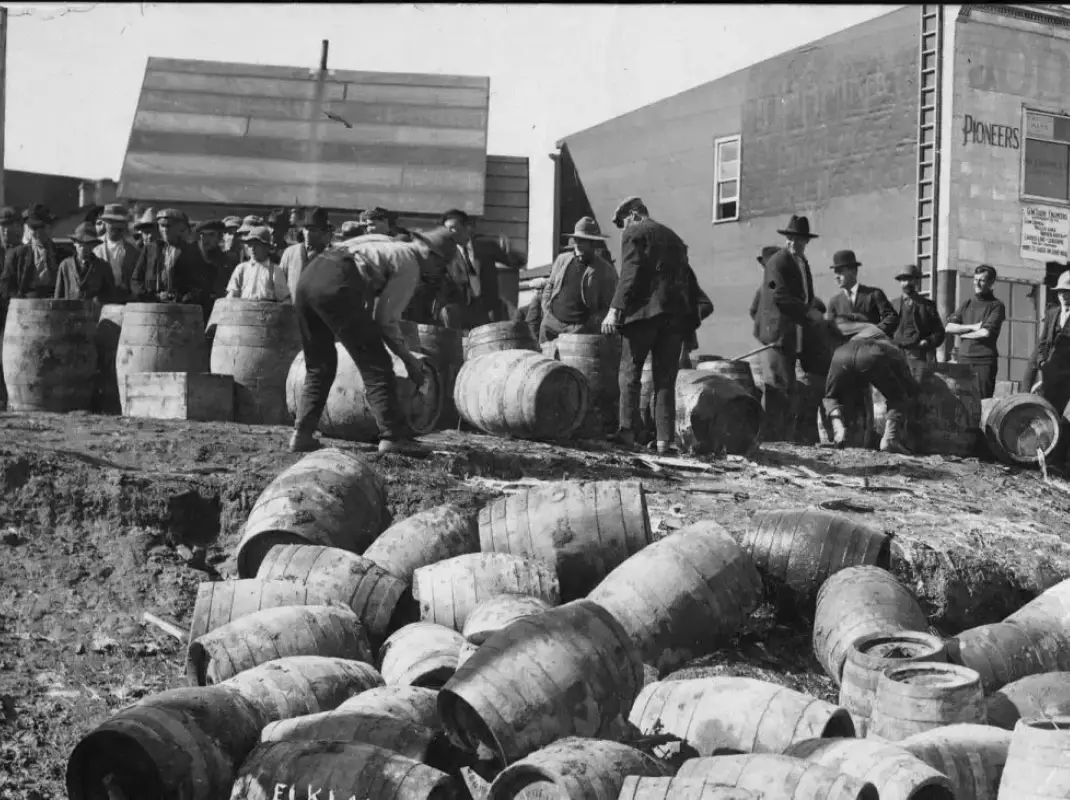
Federal agents destroying illegal whiskey barrels during 1933 Prohibition raid in Iowa, similar to the raid that nearly caught the Sextro family who created 1932 OG rye whiskey

1989

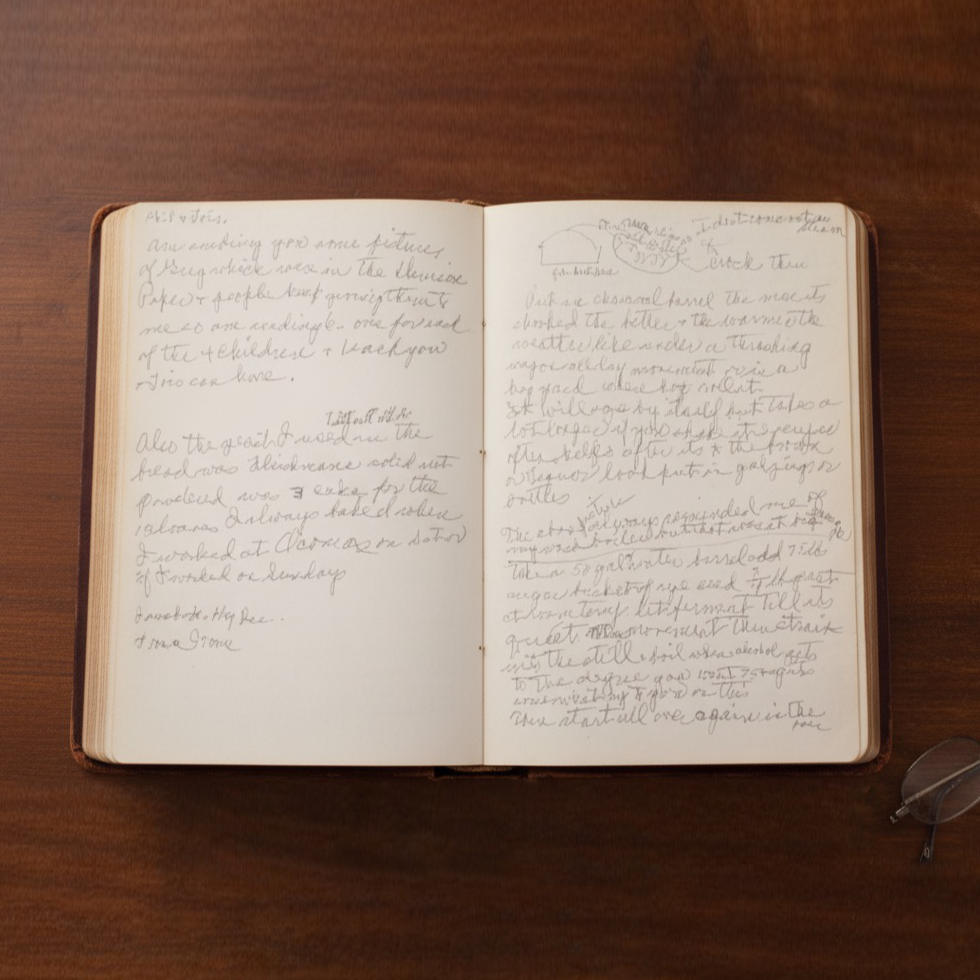
Original handwritten Prohibition-era rye whiskey recipe from Lorine Sextro's personal notebook, the foundation of 1932 OG craft rye whiskey from Templeton, Iowa

2015

1989

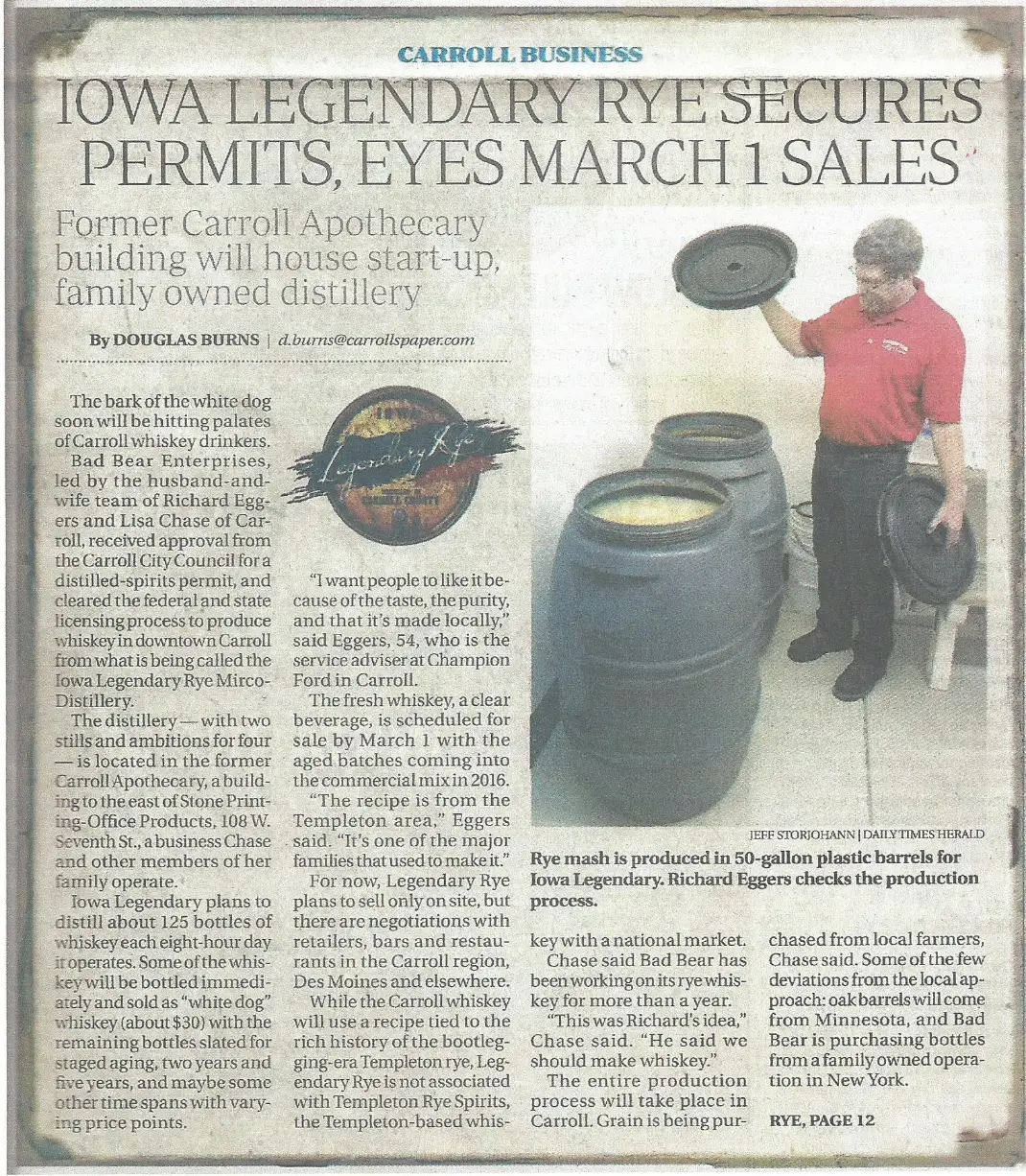
Carroll Business newspaper article about Iowa Legendary Rye securing distillery permits in 2014, marking the legal revival of 1932 OG Prohibition-era rye whiskey recipe in Carroll County

2017

Heath Schneider and Whiskey Rich Eggers holding bottles of 1932 OG craft rye whiskey in their Carroll County, Iowa distillery surrounded by aging barrels

2017

The Treasure Hunt

A family secret, barreled and buried

Eighteen months before the story, Heath Schneider was selling cars in Las Vegas. A chance discovery—a website that mentioned his grandmother, Lorine Sextro, but misspelled her name—led him to call the site’s author, Richard “Rich” Eggers. That call uncovered a family legacy: during Prohibition, Lorine had learned whiskey-making from a bootlegger hidden in the Sextro attic, then trained other Iowa producers. Her hallmark was a 100% rye recipe “the way it should be.” The revelation pulled Schneider back to Carroll, Iowa, where he partnered with Eggers to run Iowa Legendary Rye and to chase a long-whispered tale: barrels of Sextro-era whiskey buried to elude federal agents who once raided the wrong farm.

Turning rumor into a plan, Schneider and Eggers organized a professional search on Sextro family land and nearby sites tied to the operation. They brought in Jim Peters of Samaritan Detection Services to deploy trained dogs capable of detecting volatile organic compounds that could seep from old barrels. To avoid disturbing any human remains or unrelated archaeological targets, archaeologist Megan Strohmesserole of the Sanford Museum used a gradiometer to clear dig areas first. Eggers argued there was practical hope: American white oak can endure underground, so intact barrels might still contain fluid.

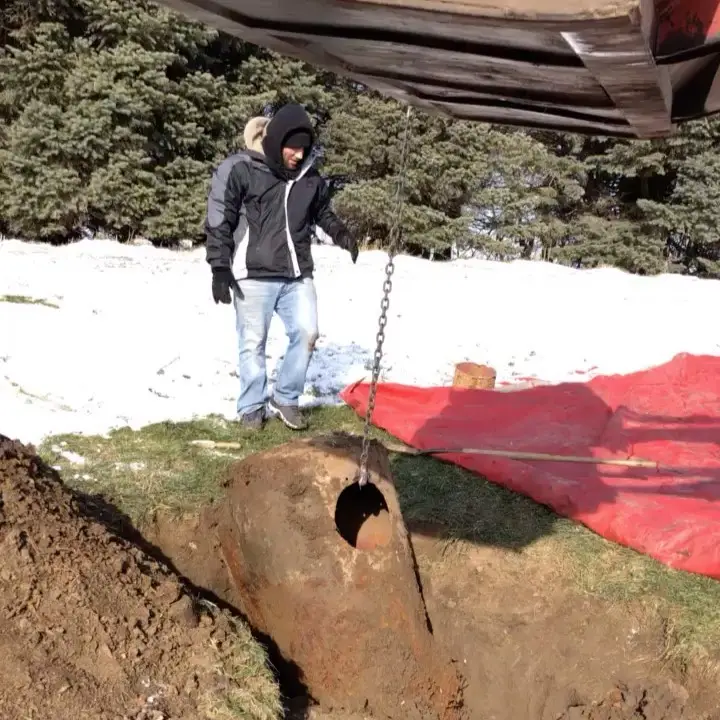
Original 1932 Prohibition-era copper whiskey still recovered from Sextro family farm in Templeton, Iowa, now preserved as 1932 OG craft rye whiskey heritage artifact

Beyond the romance of buried treasure, the team’s biggest prize could be biological: extracting surviving 1930s yeast from any recovered liquid, then propagating it to reproduce Lorine’s rye with unprecedented historical fidelity. Schneider invested personal funds, confident that a find could elevate Carroll County into a destination—“a rye spirits experience” akin to Napa for wine.

Initial probing near an old Sextro-related farmstead creek yielded clues but not confirmation, prompting a return to the core family farm. There, the crew uncovered a large metal object—ultimately confirmed as one of the operation’s original whiskey stills—plus fragments of wood likely from a barrel and a bottle labeled “23 of 29, 1929” with liquid inside. Those materials, including the bottle’s contents, are undergoing testing. For Eggers, the effort also serves to reframe the Sextros: not criminals, but resourceful families financing farms and feeding children under difficult times. For Schneider, success now would complete a circle—correcting a misspelling, reviving a recipe, and turning a buried family secret into a living, local industry.